Guardrails vs. Guiderails: Why AI Agents in Healthcare Need Both
There’s a lot of conversation in healthcare about AI guardrails, which are the rules and boundaries that keep AI from doing something harmful or inappropriate. That conversation is important, but there’s another concept that doesn’t get nearly enough attention: guiderails. If you’re deploying AI agents in a hospital or health system, you need to understand both. They sound similar. They’re not.
Guardrails: The Boundaries That Protect
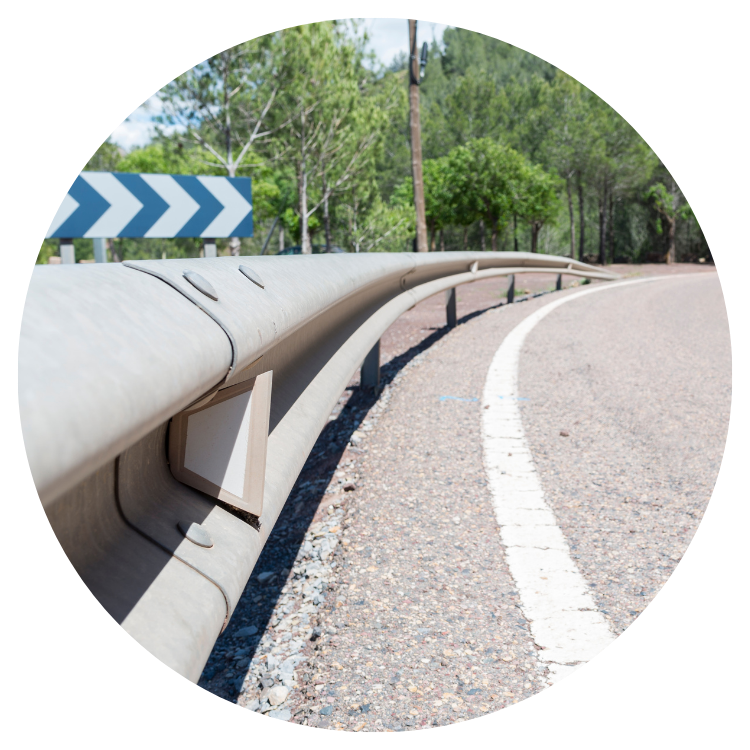
Think of guardrails the way you think of the metal barriers on the side of a highway. They don’t tell you where to go. They keep you from going somewhere dangerous.
In healthcare, guardrails are non-negotiable. HIPAA and patient privacy requirements are the most obvious examples. In addition, state-specific laws, CMS conditions of participation, and accreditation standards also help define the spaces that an AI agent simply cannot operate outside of.
Organizations also have their own unique guardrails. Something as simple as hospital culture can determine certain guardrails. For example, a health system with a strong shared governance model operates differently than one with a more top-down structure. Labor agreements and union contracts can also place important constraints on how work is assigned. An AI agent that doesn’t account for these types of organizational guardrails will create friction at best and serious problems at worst.
Getting the guardrails right requires a deep understanding of each organization’s regulatory environment, its operations, and its values. It’s an ongoing responsibility too as the organization and its environment change over time.
Guiderails: The Focus That Drives Results
Guardrails define what an AI agent can’t do. Guiderails define what it should be doing.
AI agents aren’t passive tools that wait for someone to ask them a question. They are action-oriented and goal-driven. Agents constantly work toward an objective, make decisions, and take steps to move toward a defined outcome. Without guiderails, autonomous agents can become a problem. An agent without clear direction will still optimize for something, but it may not be the right thing.

An Example of Guardrails and Guiderails in a Hospital Setting
Imagine an AI agent whose purpose is to manage patient bed placement. It must find the best unit and bed for each patient while balancing the hospital’s overall capacity.
The guardrails already tell the placement agent what it can’t do. It can’t override a physician’s order, can’t place a patient in a unit that lacks the appropriate level of care, and can’t violate patient privacy in how it communicates placement decisions. The guardrails also make sure bed assignments won’t push nursing units beyond state-mandated minimum nurse-to-patient ratios.
The guiderails tell the AI agent what it’s actually working toward. They ensure it is always working to get the right patient to the right bed as quickly as possible, reduce boarding in the ED, keep the hospital from going on diversion, and optimize overall capacity in the hospital.
Why You Need Both
Guardrails and guiderails have to work together. It’s what separates a well-designed AI agent from one that’s either reckless or useless.
An AI agent with strong guardrails but weak guiderails is compliant but ineffective. It follows all the rules and accomplishes very little. Hospitals that implement AI agents this way often find themselves wondering why the investment isn’t delivering results.
An AI agent with strong guiderails but weak guardrails is a more dangerous scenario. It’s highly effective at achieving its goal, but the path it takes to get there may cut corners on privacy, ignore contractual obligations, or make decisions that are inappropriate for reasons the AI doesn’t fully understand. In healthcare, this presents significant risk.
The hospitals and health systems that will get the most out of AI agents are the ones that invest equal effort in both. They’ll define clear, measurable goals for what the agent is supposed to accomplish, and they’ll build guardrails that reflect the full complexity of the regulatory, cultural, and operational environment the agent is working within.
The Design Work No One Is Talking About
Discussions about AI in healthcare tend to focus on either the technology itself or on compliance. Both matter, but the harder work (the work that will actually determine whether AI agents improve operations and patient care) is getting guardrails and guiderails right at the same time.

That work can't be done by technologists or compliance teams alone. It requires people who understand the operational reality of healthcare: how a hospital actually runs on a Tuesday afternoon during peak flu season, when the ED is overwhelmed, half a dozen patients are boarding for ICU beds, and a labor dispute with nursing is escalating in the background.
This is the environment AI agents are being asked to operate in. Designing guardrails and guiderails for it takes real operational expertise, not frameworks borrowed from other industries.
Health systems that do this work first will have a meaningful advantage. Those that skip it will learn the hard way, through expensive mistakes.